
Hair Transplant Recovery Timeline: Day by Day, Week by Week, Month by Month
A day-by-day, week-by-week and month-by-month reference: what is normal at day 1, day 10, two weeks and one month, when you can work, exercise, swim or fly home, and the signs that need a call to your surgeon.
تیمی نووسەرانی تەبریز هێڵس

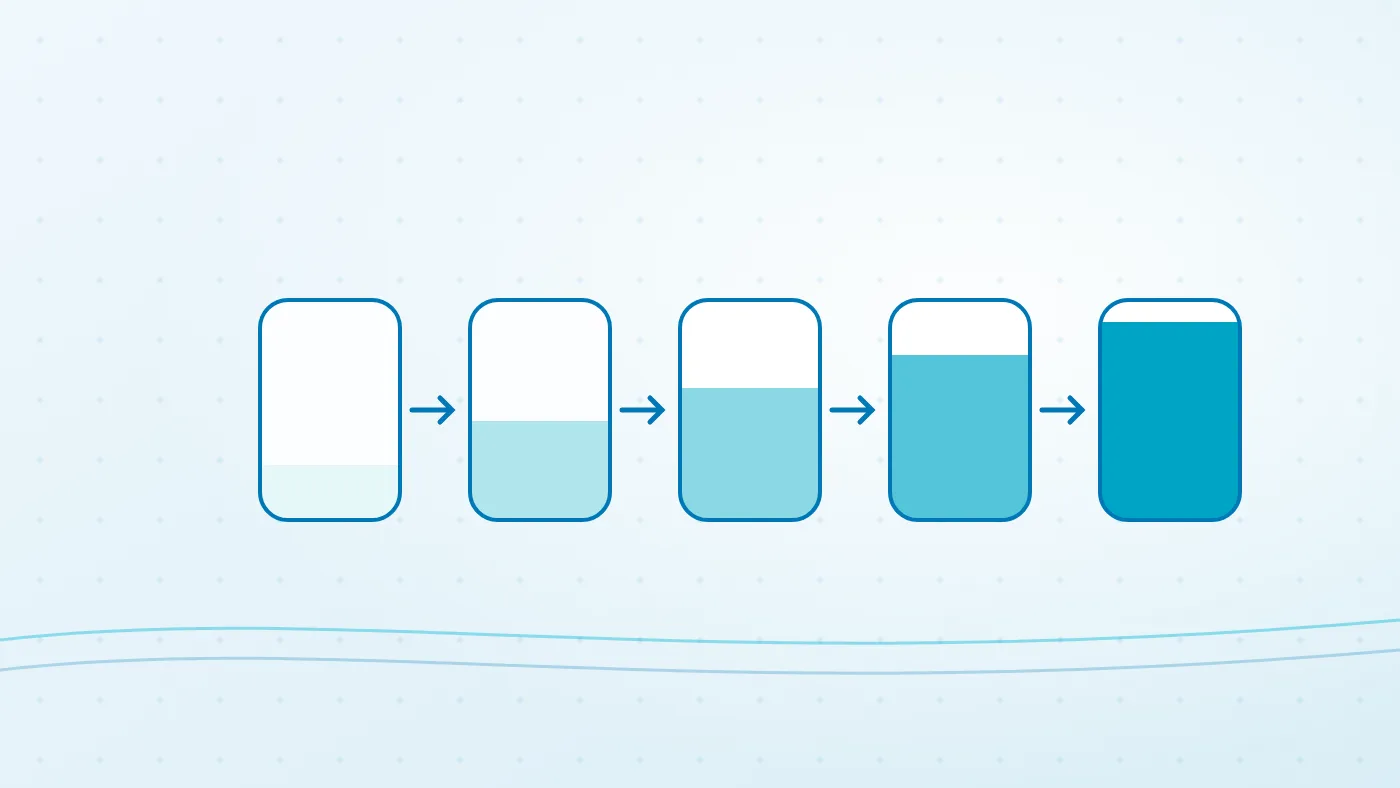
A typical hair transplant recovery timeline runs like this: swelling and scabs settle within about one to two weeks, the transplanted hairs shed between weeks two and eight, new hair starts to appear at around three to four months, most people see a clear result at six to nine months, and the full result is judged at 10 to 18 months.
This timeline is based on guidance from the NHS, the American Academy of Dermatology, the International Society of Hair Restoration Surgery (ISHRS), the American Society of Plastic Surgeons, Cleveland Clinic and published medical reviews. Timings vary between techniques, surgeons and people. Treat everything here as what is commonly advised, and always follow the written instructions from your own surgeon.
- Most hair transplants are done as day procedures; you go back to your hotel or home the same day.
- The first two weeks matter most: the new grafts are not yet secure.
- Transplanted hairs usually shed within the first few weeks. This is expected.
- New hair usually starts to appear around three to four months.
- The full result is commonly judged at around 12 months, and for some people up to 18 months.
Hair transplant recovery at a glance
Use this table as a quick reference for what is usually normal at each stage. The ranges come from the sources listed above; your clinic's protocol decides the exact days.
| When | What you usually see | What you can usually do | Contact the clinic if |
|---|---|---|---|
| Day of surgery | Tight, sore scalp; small red graft sites; donor area may be dressed | Go back to your hotel or home; rest with your head raised | Bleeding does not stop with gentle pressure |
| Day 1 | Tiny crusts start to form on each graft within about 24 hours | Bandages often removed (day 1 to day 5, depending on the clinic); walk gently | A graft comes out with a drop of blood, or pain is severe |
| Days 2–3 | Tightness in the donor area for a day or two | First gentle wash (between day 2 and day 6, depending on the clinic); sleep semi-upright | Fever or rising pain |
| Days 4–7 | Forehead swelling may appear around day 3 and fade over the next few days; smaller scabs may start to fall off | Light desk work for some people from about day 3 to 5 | Swelling with redness, heat and pain that gets worse |
| Day 10 | Most crusts gone or loosening; tenderness easing; stitches removed after FUT | Continue gentle washing; light daily activity | Wounds open, ooze pus or smell |
| Day 14 / 2 weeks | Scalp pink but mostly healed; grafts now much more secure | Most people are back at work; still no gym or contact sport | Red, painful patches that are spreading |
| Weeks 3–4 | Transplanted hairs shedding; possible shock loss of nearby existing hair | Strenuous exercise often allowed from about 3 weeks, if your surgeon agrees | Hair loss in patches that keep growing |
| Months 2–3 | The "ugly duckling" phase: the area may look thinner than before surgery; occasional pimple-like bumps | Normal life; keep monthly photos | Bumps that are hot, painful or full of pus |
| Months 4–6 | Fine, uneven new hairs coming through | Ask your surgeon about haircuts, dye and styling products | No new hair at all by month 6 (ask for a review) |
| Months 8–12 | Hair thicker, longer and easier to style | Compare photos with your surgeon | You want an assessment before planning any second session |
| Months 12–18 | Final result; the crown is often the last area to mature | Final review of density and hairline | Ongoing thinning around the transplanted area |
The first week, day by day
Day of surgery
Cleveland Clinic notes that most hair transplants are outpatient procedures, so you leave the same day. Your scalp will usually feel tight, achy and a little swollen. Your surgeon may give you pain relief, a spray or solution for the grafts, and a written aftercare sheet. Keep it with you.
Day 1 recovery: what is normal?
On the first day after a hair transplant, the scalp usually feels tight and tender, and the ISHRS describes small crusts forming on each graft within about 24 hours. Cleveland Clinic lists day 1 as the usual time to remove bandages; the NHS gives a wider window of two to five days. The grafts are most fragile now. In a published series of almost 2,900 patients, the few cases of graft dislodgement all happened in the first 24 hours, which is why surgeons ask you not to touch, scratch or bump the recipient area and to sleep with the head raised.
Days 1 to 2: bandages and the first wash
If a bandage was used on the donor area, it is usually removed within the first days. The first wash is a key moment, and instructions differ: Cleveland Clinic and the American Society of Plastic Surgeons describe a gentle wash within about two days, while the NHS describes washing gently by hand around day 6. Some centers do the first wash for you at a check-up. Use only the products and method your surgeon gives you, pour water rather than rubbing, and never pick at the grafts.
Days 3 to 5: swelling
Swelling can move down from the scalp to the forehead and sometimes around the eyes. The ISHRS describes forehead swelling that typically appears around the third day and goes away after three to four days, and a medical review of complications reports facial swelling settling on its own by about day 6 or 7. It is usually more uncomfortable to look at than to feel.
Sleeping in the first week
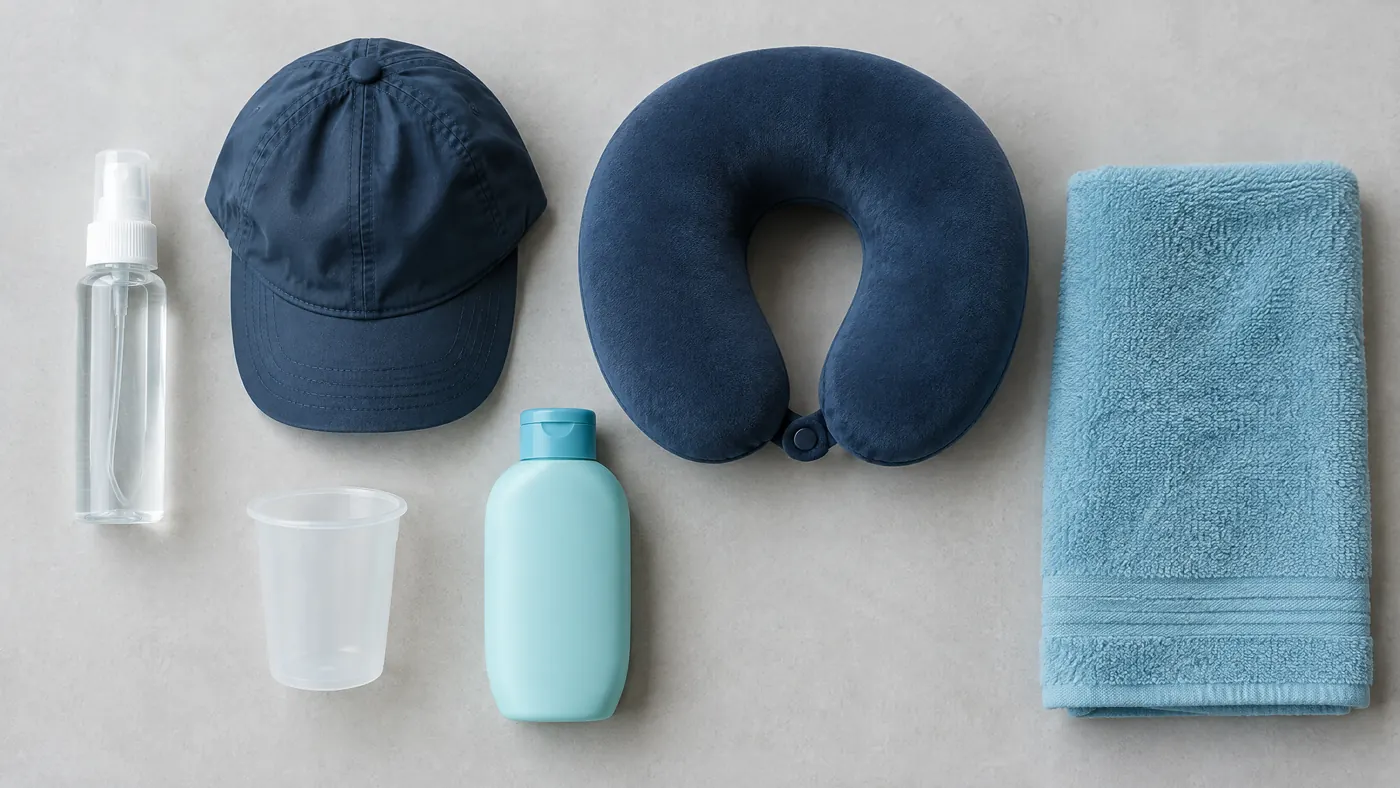
The same review notes that sleeping on your back, flat or slightly propped up, is the usual recommendation, and that sleeping on your side or face down should be avoided. The ISHRS mentions a semi-upright position for the first two to three days to limit swelling and bruising. A travel pillow can help keep pressure off the grafts. Your surgeon may give a more specific instruction.
Weeks 1 to 2: scabs, stitches and protecting the grafts
The NHS says you need to be very careful with your transplanted hair for the first two weeks, because the grafts are not yet secure. During this time:
- Small scabs around each graft loosen and fall away with gentle washing. The ISHRS says crusts usually flake off by 5 to 14 days. Do not scratch or pick them.
- If you had FUT (strip surgery), non-dissolving stitches are usually removed after about 10 to 14 days.
- Itching is common. Ask your surgeon what you can safely use for it.
- Avoid tight hats, helmets and anything that rubs the grafts. A loose cap may be allowed; check first.
Numbness or extra sensitivity in the donor or recipient area is also common. In one large published series, the reported cases settled by themselves within two to three weeks, but the ISHRS notes that numbness can take a few months to disappear completely.
Going back to work
Cleveland Clinic suggests light activities and work can often resume after about three to five days, while the NHS says you may need one to two weeks off. The right timing depends on the technique, your job and how visible the scabs are. If your work involves heavy lifting, dust or heat, ask your surgeon.
What is normal 10 days after a hair transplant?
Ten days after a hair transplant, most people have a pink, slightly tender scalp with many of the small crusts already gone. The ISHRS describes smaller scabs often falling off at four to six days and the rest by about 14 days, and it reports tenderness to the touch lasting about 7 to 10 days. If you had FUT, day 10 is around when Cleveland Clinic says stitches are removed (the NHS says 10 to 14 days). Forehead swelling has usually gone by now.
At day 10 the grafts are still in the careful window the NHS describes for the first two weeks, so keep washing exactly as instructed and do not rub off remaining scabs. Short hairs in the grafts are normal; they are likely to shed in the coming weeks.
- Normal: some remaining scabs, pinkness, mild itching, short stubble in the grafts, numbness in parts of the scalp.
- Not normal: new or spreading redness, heat, increasing pain, pus, a bad smell, or a fever.
What happens 2 weeks (15 days) after a hair transplant?
Two weeks after a hair transplant, the recipient area usually looks much calmer: most crusts are gone, the skin may still be pink, and the grafts have passed the two-week period in which the NHS says they are not yet secure. Many people are back at work by now, in line with the NHS estimate of one to two weeks off. Stitches after FUT have normally been removed by day 14.
From about this point the transplanted hairs often begin to fall out. The American Academy of Dermatology says the transplanted hair falls out between two and eight weeks after surgery, and calls this normal. Seeing hairs on your pillow at day 15 does not mean the grafts have failed: the follicle stays in the skin. Gym, running and contact sports are still usually on hold until about three weeks.
4 weeks (1 month) after a hair transplant: what to expect
At four weeks, most of the transplanted hairs have usually shed and the scalp can look close to how it did before surgery. A review of hair transplant complications says the implanted hair usually falls within three to four weeks; shock loss of nearby existing hair, if it happens, also tends to appear around this time (see the shedding section below).
By one month many people have returned to the gym: the American Society of Plastic Surgeons and Cleveland Clinic both mention waiting at least about three weeks for strenuous exercise, and the NHS says you may be told to cut down on exercise in the first month. Check with your surgeon before heavy lifting or contact sport.
- Normal: very little visible hair in the grafted area, light redness, some thinning of nearby hair.
- Ask your surgeon: hair loss in patches that keep spreading, or loss in the donor area that seems excessive.
Weeks 2 to 8: shedding and shock loss
This is the phase that worries people most. A few weeks after surgery, most of the transplanted hairs fall out. The follicles stay in the scalp and rest before growing new hair. The American Society of Plastic Surgeons describes this shedding as normal and almost always temporary.
Some people also lose some of their existing hair near the transplanted area, or occasionally in the donor area. This is called shock loss. The review of hair transplant complications describes it typically appearing about three to four weeks after surgery, with hair usually regrowing over about three to four months. The review advises that women in particular are told about this possibility before surgery. If you notice shedding that seems excessive, or patches that do not recover, tell your surgeon.
Some people get small pimple-like bumps as new hairs push through, which the same review reports can last from a few weeks to a few months. Most settle on their own, but spreading redness, pain or pus needs a review.
Exercise, sport and daily life
Strenuous activity raises blood flow to the scalp and can make grafts or incisions bleed, which is why the gym, running and contact sports are commonly postponed for at least about three weeks; the table below gives the usual timing for each activity. Smoking may also slow healing: in the review cited above, small areas of poor healing occurred in patients who smoked.
When can you return to normal life after a hair transplant?
Most people return to everyday life within one to two weeks, but each activity has its own timing. The sources agree on some of these and are silent on others; where no official figure exists, the table says so, and your surgeon's instructions decide.
| Activity | Commonly advised timing | Basis |
|---|---|---|
| Desk work | About 3 to 5 days for some people; 1 to 2 weeks off is often needed | Cleveland Clinic; NHS |
| Physical or dusty work | Usually after the first two weeks | NHS (grafts not secure for 2 weeks); ask your surgeon |
| Walking | From the first days | Commonly advised |
| Gym, running, contact sports | At least about 3 weeks; exercise may be reduced for the first month | ASPS; Cleveland Clinic; NHS |
| Swimming, sauna, steam room | No official standard; usually not before the scalp has fully healed | Your surgeon's protocol |
| Helmet or tight hat | Not in the first two weeks; ask before wearing one | NHS two-week rule; your surgeon's protocol |
| Loose cap | Often allowed early; check first | Your surgeon's protocol |
| Direct sun on the scalp | No official standard; ask how to protect the healing scalp from sun | Your surgeon's protocol |
| Hair dye, gel, styling products | Only after healing is complete; check with your surgeon before dye | ISHRS |
| Flying home | After the first check-up and first wash, once the surgeon agrees | No official rule |
When can you fly after a hair transplant?
There is no single official rule. Many people fly home after the first check-up and first wash, once the surgeon is satisfied. If you are travelling to Iran for the procedure, plan a few days in the city so this check-up can happen before your flight; our guide to medical tourism in Iran covers trip planning. On the plane, avoid bumping your head on overhead lockers, keep any cap loose, and carry your aftercare products in your hand luggage within liquid limits. The Iran medical visa guide explains entry options if you are planning the trip.
What this timeline means if you fly home from Tabriz
Because the first wash falls somewhere between day 2 and day 6 depending on the protocol, ask the centre before you book how many nights it wants you in Tabriz and whether staff will do the first wash. A plan that covers the surgery day, the first check-up and the first wash avoids flying with grafts no one has looked at. If you had FUT, ask whether stitches are dissolvable or who will remove them at home around days 10 to 14.
- Pack a travel pillow, a loose button-up shirt that does not pull over the head, and a loose cap if the surgeon allows one.
- Keep the written aftercare sheet, spray and shampoo in your hand luggage.
- Agree how you will send photos at around day 10, month 1, month 4 and month 12, and who reviews them.
- Expect the shedding phase to happen at home, weeks after you leave, so you are not alarmed by it.
Months 3 to 12: growth stages
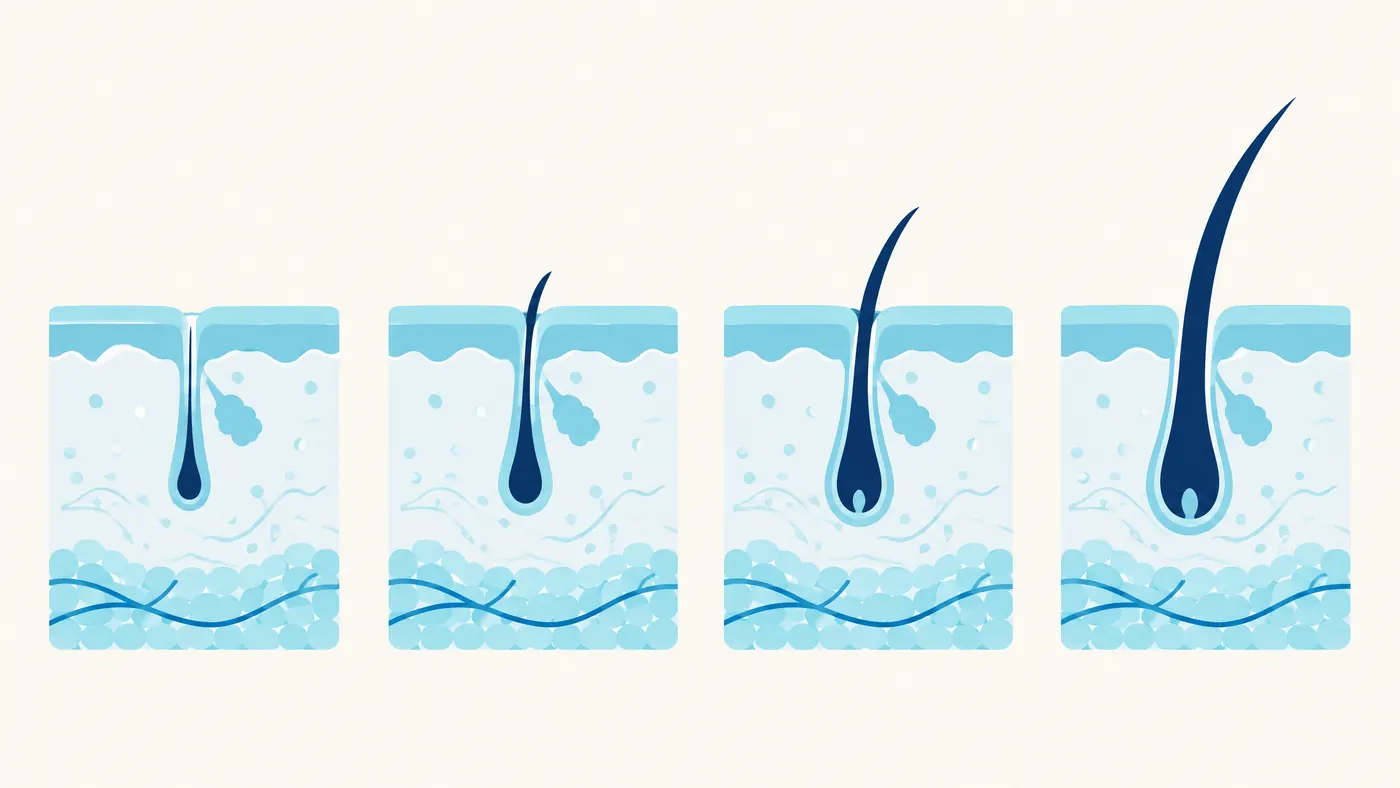
From around three to four months, new hairs start to appear. The ISHRS says grafted hairs often start to grow at 10 to 16 weeks, and the NHS describes new hair usually appearing after about four months. These hairs are often fine and uneven at first.
Between about six and nine months, hair thickens and the change becomes easier to see. The American Academy of Dermatology says most patients see results between six and nine months, and for some it takes 12 months. Growth on the crown can take longer than at the front.
The NHS says the full result should be seen after about 10 to 18 months; Cleveland Clinic says it can take up to a year. Photograph your scalp in the same light every month, so you can compare fairly and share progress with your surgeon.
Hair transplant month by month
- Month 1: scabs gone, transplanted hairs shedding, possible shock loss nearby.
- Months 2 to 3: the quietest phase. The AAD notes the area may look thinner than before the transplant by the third month. Pimple-like bumps can appear as hairs push through.
- Month 4: fine new hairs usually appear, often unevenly.
- Months 5 to 6: more hairs come through and start to lengthen; the hairline usually shows change before the crown.
- Months 6 to 9: the stage at which most people see a clear result.
- Months 9 to 12: hairs thicken and become easier to style.
- Months 12 to 18: final assessment, particularly for the crown and for larger sessions.
Keeping a hair transplant diary
A simple diary makes the slow months easier to judge. Take photos from the front, top, crown and both sides in the same room and light, with dry hair, on the same date each month. Note the day of the first wash, when scabs cleared, when shedding started and when new hairs appeared. These notes are also what your surgeon will want to see at a remote follow-up.
Medication after a transplant
A transplant moves hair; it does not stop ongoing hair loss. The NHS notes that your hair might continue to thin around the transplanted area. Some surgeons recommend medicines such as minoxidil to support regrowth or to protect existing hair. Whether this suits you is a decision for your doctor.
Warning signs: when to contact your surgeon
Contact your surgeon or seek medical help promptly if you have:
- a fever that does not go away;
- bleeding that does not stop with gentle pressure;
- increasing redness, heat, pain or yellow or green discharge;
- swelling with pain and redness that gets worse instead of better;
- sudden swelling of the face with a rash or difficulty breathing (call emergency services).
Before you leave Tabriz, make sure you know how to reach the center from home and how follow-up photos will be reviewed. Agreeing this in advance is one of the checks in our article on whether Iran is safe for medical tourism.
Next steps
If you are still deciding, the hair transplant treatment page explains techniques and candidacy, and the hair transplant Iran cost guide covers prices and how to compare offers. When you are ready, send a free consultation request with scalp photos. Tabriz Health coordinators can help you contact licensed centers, compare their replies and plan your stay around the recovery steps above.
Frequently asked questions
How long does it take to recover from a hair transplant?
Most people return to light activity within a few days to two weeks. The scalp heals over a few weeks, but hair growth takes months, and the final result is commonly judged at around 12 months.
How long does a hair transplant take to heal?
The skin usually heals within about two weeks: crusts flake off by 5 to 14 days and FUT stitches come out at 10 to 14 days. Numbness can take longer, from a few weeks to a few months. Healing of the skin is separate from hair growth, which takes 10 to 18 months.
What is the hair transplant timeline week by week?
Week 1: swelling, crusts, first wash. Week 2: most crusts gone, grafts becoming secure. Weeks 3 to 4: transplanted hairs shed and exercise often resumes. Weeks 5 to 8: shedding finishes and the area looks quiet. New growth usually starts between weeks 10 and 16.
Is it normal to still have scabs 10 days after a hair transplant?
Yes, a few scabs at day 10 are common. The ISHRS says crusts usually flake off by 5 to 14 days. Let them come off with gentle washing; do not pick them. Contact your clinic if the area is hot, painful or discharging pus.
Why is my hair falling out 15 days after a hair transplant?
Transplanted hairs commonly shed between two and eight weeks after surgery. The follicle stays in the scalp, rests and grows new hair from around three to four months.
When can I wash my hair after a hair transplant?
Instructions differ: Cleveland Clinic and the American Society of Plastic Surgeons describe a gentle wash within about two days, while the NHS mentions around day 6. Follow your surgeon's method exactly and avoid rubbing the grafts.
Is it normal to lose hair after a transplant?
Yes. Transplanted hairs usually shed within the first weeks, and some nearby hair may shed too. Regrowth usually begins after a few months.
When can I exercise after a hair transplant?
Walking is usually fine early. Strenuous exercise and contact sports are commonly postponed for at least about three weeks. Ask your surgeon for your own timing.
How should I sleep after a hair transplant?
Commonly advised: on your back, slightly propped up, for the first week, avoiding pressure on the grafts. A travel pillow can help.
When will I see results?
New hair usually appears from about three to four months. Visible improvement follows over six to nine months, and the full result is usually seen at 10 to 18 months.
This article is general information, not medical advice. Your surgeon's instructions take priority over anything written here. Read our medical disclaimer and editorial policy.
ڕێبەری چارەسەرەکان
دەربارەی نوسەر
تیمی نووسەرانی تەبریز هێڵس
The Tabriz Health editorial team writes patient guides from reliable sources. Articles are checked for scientific accuracy before publication; they are general information, not medical advice.