
تیمی نووسەرانی Tabriz Health نوێکراوەتەوە
Most international patients look into heart surgery in Iran after a cardiologist at home has already found a problem, such as narrowed coronary arteries or a leaking or tight heart valve. Cardiology in Tabriz covers diagnostic tests, procedures done through a thin tube in an artery, and open-heart operations, and each asks something different of your body and your travel plans.
This page explains the main heart treatments, what to prepare before a trip and how care continues at home. Tabriz Health is a facilitation platform, not a hospital or clinic: our coordinators can contact heart centers in Tabriz for you. Nothing here replaces the advice of a cardiologist who has examined you and seen your test results.
If you have chest pain, sudden breathlessness or fainting now, call your local emergency number or go to the nearest emergency department. Do not wait to travel or for a reply from us.
Key points
- Travelling abroad is only for planned, stable heart care that your own cardiologist agrees with, never for an emergency.
- Heart specialists choose between medicines, a stent and surgery from your test results.
- When it is safe to fly before and after a heart procedure is a medical decision made by your cardiologist.
- Recovery, cardiac rehabilitation and long-term medicines continue at home, so you need a written discharge summary your home doctor can read.
Treatments in this field
Coronary angiography
Coronary angiography is an X-ray test of the arteries supplying the heart muscle. A thin tube (catheter) is passed from an artery in the wrist or groin to the heart, and a contrast dye makes any narrowing visible. It is usually done with local anaesthetic, and many patients leave hospital the same or the next day. The result may lead to medicines only, a stent or surgery. Read more about coronary angiography in Tabriz.
Angioplasty and stents
Angioplasty opens a narrowed coronary artery from the inside with a small balloon, and a stent (a fine mesh tube) is usually left in place to keep it open. It is sometimes done straight after angiography, if you agreed beforehand. After a stent you normally take blood-thinning medicines for a period your cardiologist sets, and stopping them early can be dangerous. See angioplasty and stent treatment.
Heart bypass surgery
Coronary artery bypass grafting (CABG) is open-heart surgery under general anaesthesia. The surgeon uses a blood vessel taken from the chest, leg or arm to carry blood around blocked arteries. It may be advised when several arteries are narrowed. The hospital stay is longer, often a week or more, with further time before flying. Learn more about heart bypass surgery.
Heart valve replacement and repair
A valve that is too narrow or leaks can be repaired or replaced, through open surgery or, for some patients, through a catheter. Mechanical valves mean taking warfarin or a similar anticoagulant for life, with regular blood tests (the newer blood thinners are not suitable for mechanical valves), while tissue valves may need attention again after some years. See heart valve replacement.
What decides your heart treatment plan
Treatment starts with a diagnosis: your symptoms, an ECG, an echocardiogram (an ultrasound scan of the heart) and, where needed, a stress test, a coronary CT scan or angiography. Kidney function, diabetes and other conditions also shape what is safe.
For many people with stable symptoms, medicines and lifestyle changes come first, and a procedure is added if they are not enough. When a procedure is needed, the choice between a stent and bypass surgery depends on how many arteries are affected, where the narrowing is, how well the heart pumps and your general health. If a plan differs from the advice at home, ask both doctors to explain why.
Heart surgery in Iran: having it in Tabriz
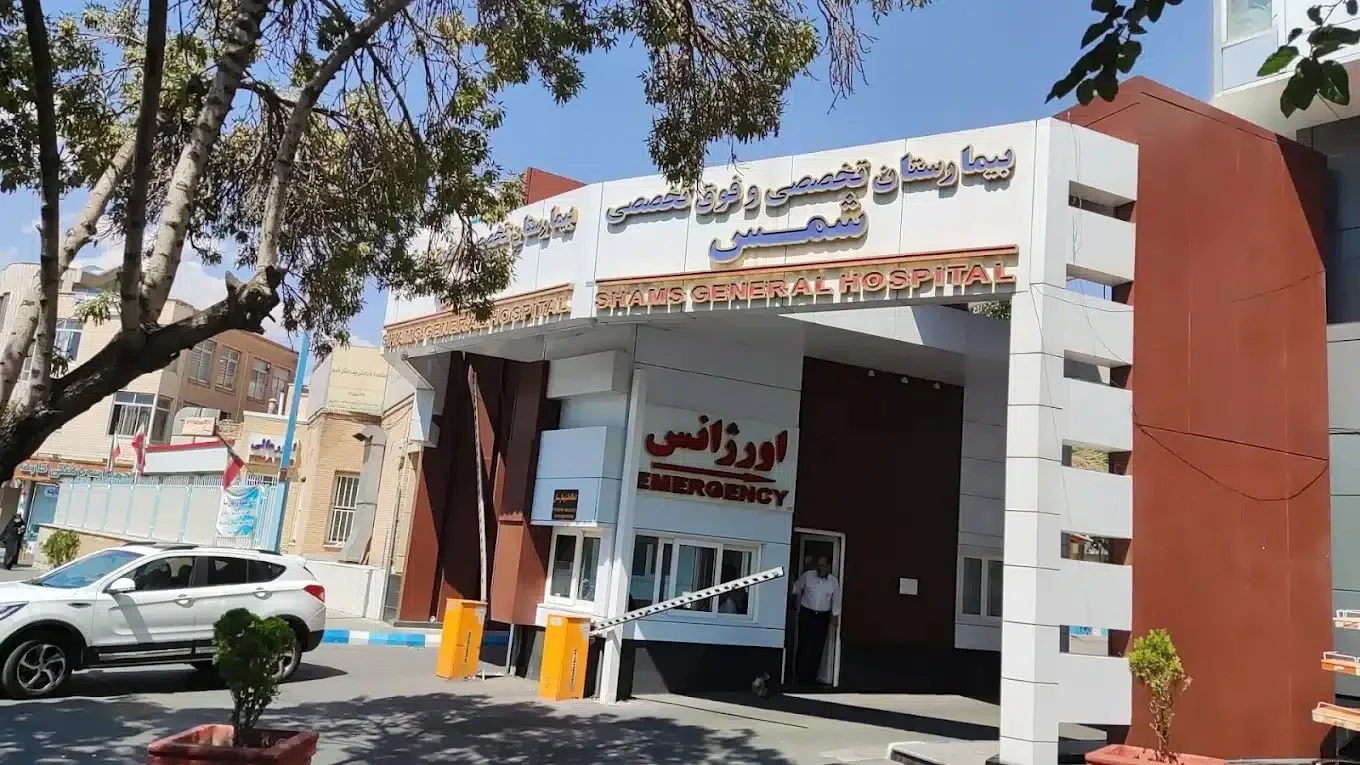
Tabriz, the largest city in north-west Iran, sits within reach of Iraq's Kurdistan region, eastern Turkey and Azerbaijan, so travel time can be shorter than to more distant destinations. Azerbaijani Turkish is widely spoken in the city. Iran has a long-established hospital sector that includes cardiac surgery. Our guide to hospitals in Tabriz explains how to compare them. If you need Arabic, Kurdish or English, ask our coordinators to check with the center whether an interpreter can be arranged. See our Tabriz city guide.
Planning a heart treatment trip with Tabriz Health
- Talk to your own cardiologist first. Confirm your condition is stable and that planned treatment abroad is reasonable.
- Send a free consultation request. Attach your reports and a short summary of your history.
- Review options. Our coordinators can share your records with heart centers in Tabriz and pass on any suggested plan and written quote they send back.
- Optional online visit. Request a paid video visit with a doctor, where available.
- Visa, travel and a companion. Check our visa guide, ask your cardiologist about fitness to fly, and plan to travel with an adult companion.
- Assessment and treatment in Tabriz. The heart team examines you, repeats any tests needed and confirms the plan.
- Home and follow-up. You fly back when the treating doctor agrees; your local cardiologist takes over.
Records to prepare before you travel
- recent ECGs and your echocardiogram report;
- any angiography CD or images together with the written report, and any stress test or cardiac CT;
- details of previous stents or heart surgery: date, artery treated and the stent or valve type if you have it;
- a complete medicine list with doses, clearly marking blood thinners and antiplatelet medicines;
- recent blood tests, especially kidney function;
- allergies, including any reaction to contrast dye, and the card for any pacemaker or defibrillator;
- a letter from your cardiologist, and the name of the doctor who will follow you at home.
Never stop or change a blood thinner or antiplatelet medicine to prepare for travel unless a cardiologist tells you to.
Heart procedure risks, warning signs and aftercare
Risks are higher for open surgery and for people with other illnesses. Depending on the treatment, they can include:
- bleeding or bruising at the catheter site;
- a reaction to contrast dye, or strain on the kidneys;
- an irregular heartbeat, a heart attack or a stroke;
- a stent narrowing again or a clot forming inside it;
- wound infection or slow healing of the breastbone after surgery;
- blood clots in the legs or lungs.
Get emergency help at once, wherever you are, for chest pain or pressure, breathlessness, fainting, a very fast or irregular heartbeat, sudden weakness of the face or limbs or trouble speaking, or bleeding from the catheter site that does not stop with firm pressure. See a doctor the same day for fever, a red or oozing wound, or new swelling in a leg or arm.
Before you leave Tabriz, ask for these in writing, in a language your doctor at home can read:
- a discharge summary listing the diagnosis, what was done and any complications;
- the type of any stent or valve, and copies of your angiography images and reports;
- every medicine with its dose and how long to take it, especially antiplatelet medicines and anticoagulants;
- advice on flying, driving, lifting and wound care;
- a referral for cardiac rehabilitation and the timing of your first check-up at home.
Cardiac rehabilitation, a supervised programme of exercise and education, is part of recovery for many patients; ask your home cardiologist where to attend.
Choosing a heart center and doctor
As centers and doctors join Tabriz Health, they appear on our clinics page. When you compare options, ask:
- Is the doctor an interventional cardiologist or cardiac surgeon, registered with the Medical Council of the Islamic Republic of Iran (IRIMC)?
- Does the hospital have a catheter laboratory, cardiac intensive care and on-site cardiac surgery if a procedure becomes complicated?
- Does the written plan name the procedure, the stent or valve type and the expected hospital stay?
- Who do you contact if a problem appears at home?
Costs
The cost depends on the procedure, the number of stents or type of valve, intensive care, hospital nights and extra tests. Our overview of the cost of surgery in Iran explains these factors and what quotes usually include, but it does not list prices for heart procedures. The only reliable figure is an itemised written quote for your own case.
Frequently asked questions
Is heart surgery in Iran safe for foreign patients?
No heart procedure is free of risk in any country. Safety depends on the right diagnosis, a qualified team, a hospital equipped for cardiac emergencies, a stable condition before travel and good follow-up at home.
How long do I need to stay in Tabriz after a heart procedure?
It depends on the treatment and how you recover. After angiography or a planned stent, the stay is often a few days. After bypass or valve surgery it is longer, often a week or more in hospital and further time before flying. The treating doctor decides when you fly.
Can I fly home soon after getting a stent?
Timing depends on how the procedure went and how your heart is working. Ask the treating cardiologist for written fitness-to-fly advice and check your airline's rules.
Can I get an opinion before travelling?
You can send your reports through the free consultation form; our coordinators can share them with heart centers in Tabriz and pass on any suggested plan they send back. Any plan stays provisional until you are assessed in person.
When your cardiologist agrees that planned treatment abroad makes sense, send your reports through a free consultation request, or request an online visit to talk to a doctor, where one is available, before you book any travel.
This guide is general information, not medical advice. It does not replace an examination by a qualified doctor who knows your case. Read our medical disclaimer and editorial policy.