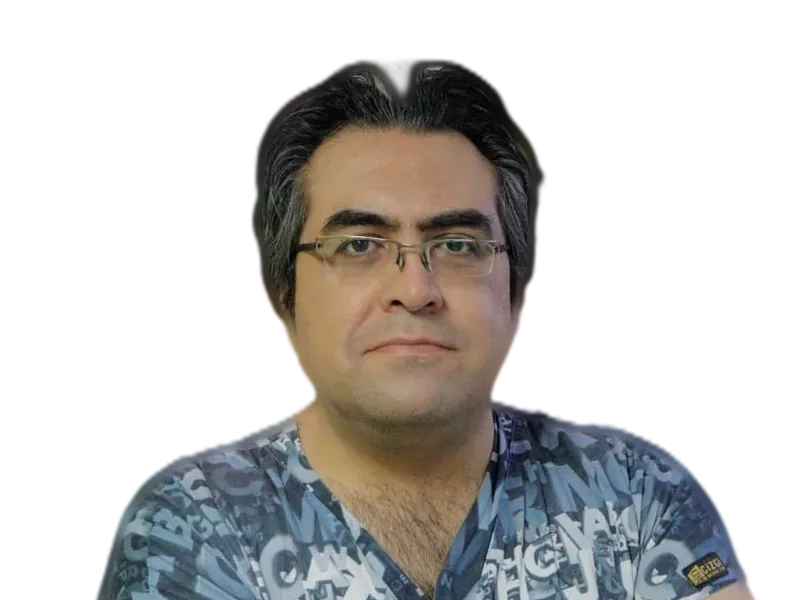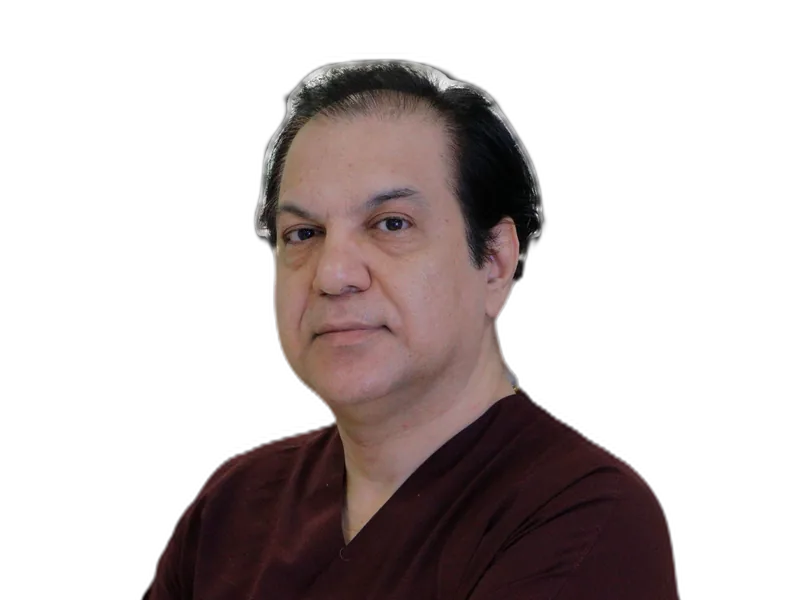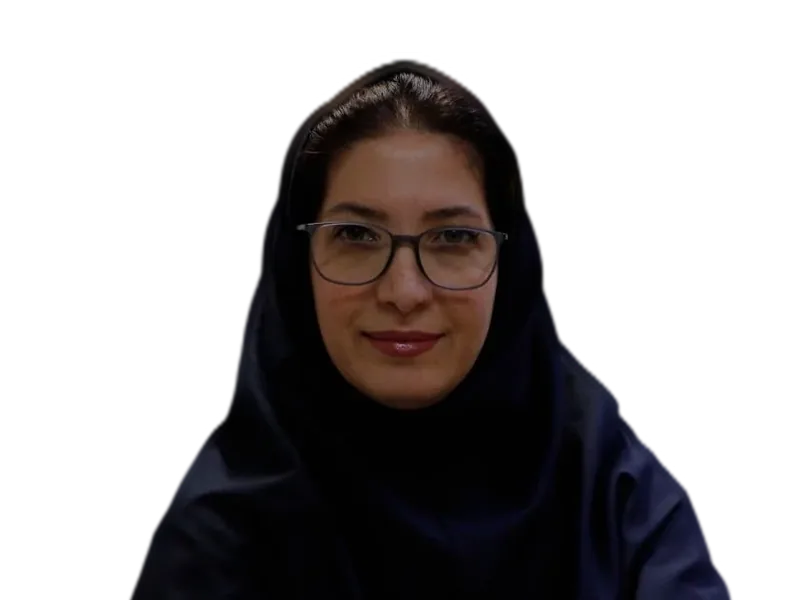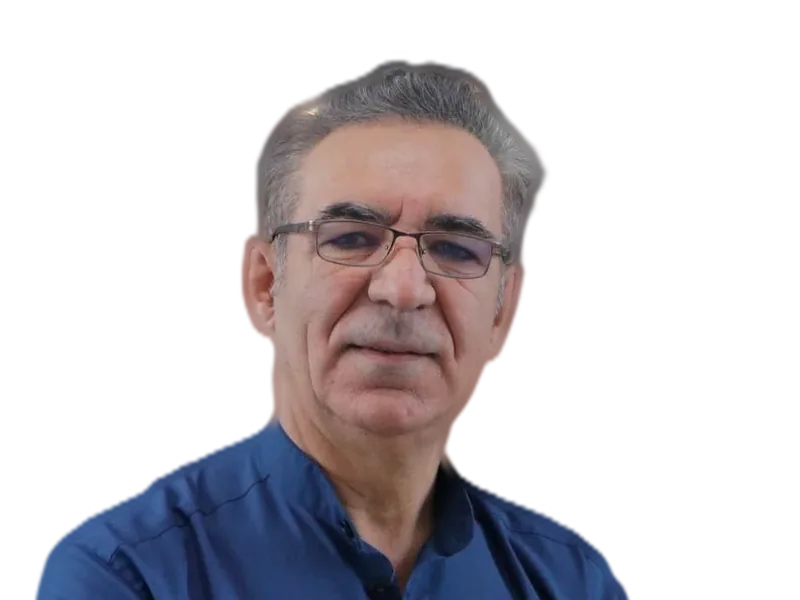

Tabriz Health Editorial Team Updated
Cosmetic surgery changes the shape or appearance of part of the body: the nose, the face, the eyelids or areas where fat collects. If you are considering cosmetic surgery in Iran, this page gives you an overview of the main procedures, how surgeons decide what suits you, and how to plan a safe trip to Tabriz.
Tabriz Health is a facilitation platform, not a clinic. Our coordinators can contact surgeons and centers in Tabriz on your behalf, help you compare any options they send, and help you plan the journey. Nothing on this page replaces an examination by a qualified surgeon who has seen you in person.
Key points
- Plastic surgery in Tabriz covers face, eyelid, nose and body procedures; each has its own recovery time and its own risks.
- The plan is decided by examination and medical history, not by a photo or a package name.
- Combining procedures in one session is possible in some cases, but many surgeons limit it to keep the operation shorter and safer.
- Flying soon after surgery raises the risk of blood clots, so the length of your stay is a medical decision.
- Agree the aftercare plan in writing before surgery, including who you contact once you are home.
Treatments in this field
Rhinoplasty (nose surgery)
Rhinoplasty reshapes the nose, improves breathing, or both, and includes revision surgery after an earlier operation. It is one of the most requested cosmetic procedures in Iran. Patients usually plan to stay about seven to ten days, until the splint is removed. See our full guide to rhinoplasty for techniques, recovery and the questions to ask your surgeon.
Facelift
A facelift tightens the deeper tissues and removes loose skin of the lower face and neck. It is typically considered by people with visible sagging of the jawline and neck who are in good general health. It does not stop ageing. Read more on our facelift page.
Liposuction
Liposuction removes fat from specific areas, such as the abdomen, flanks or thighs, through small incisions. It is a body-contouring procedure, not a treatment for obesity, and it suits people who are close to a stable weight but have areas that do not respond to diet and exercise. A compression garment is usually worn for some weeks afterwards. See our liposuction page.
Blepharoplasty (eyelid surgery)
Eyelid surgery removes or repositions excess skin and fat of the upper or lower eyelids. It may be cosmetic, or functional when heavy upper lids affect your view. Your eyes should be checked before surgery, especially for dry eye. Find out more on our blepharoplasty page.
Hair restoration is a separate field on this site. If you are also thinking about it, see our hair transplant guide as a related option.
What decides your plan
Two people who ask for the same operation may receive very different plans. Your surgeon looks at your anatomy, skin quality, age, weight history and general health, and at what you hope to change. Conditions such as diabetes, high blood pressure, bleeding problems or a history of blood clots, as well as smoking and some medicines and supplements, can change the plan or mean that surgery should wait.
Many international patients hope to combine two procedures in one trip, for example eyelid surgery with a facelift. This is sometimes possible, but every extra procedure makes the operation and the time under anaesthesia longer, which can increase risks such as bleeding and blood clots and make recovery harder. For this reason, many surgeons limit how much they do in one session, or suggest two separate operations. If a combined plan is offered, ask why it is safe for you and how it changes your recovery and your length of stay.
Be wary of any plan fixed before anyone has examined you.
Having cosmetic surgery in Tabriz
Tabriz is a large city in north-west Iran, close to Iraq's Kurdistan region, Turkey and Azerbaijan. For patients from these countries, the journey is often shorter than to Tehran. Many residents speak Azerbaijani Turkish, which helps visitors from Azerbaijan and Turkey.
Iran has a well-developed medical sector and a long tradition of cosmetic surgery, especially nose surgery, so patients can usually compare several surgeons and centers. As in any country, quality depends on the individual surgeon and center, so check each one carefully.
Planning your trip with Tabriz Health
- Send a free consultation request with clear photos, your goals and a short medical history.
- Our coordinators can share your case with centers in Tabriz and pass on any options and written quotes they send back.
- If you want to talk to a doctor before deciding, you can request a paid online video visit, where a doctor is available.
- Plan dates that leave room for recovery, and read our visa guide early. Coordinators can also help you look for accommodation, transfers and, where available, an interpreter.
- In Tabriz, the surgeon examines you, orders pre-operative tests and confirms the plan before surgery.
- You recover in the city, attend check-ups and fly home only when your surgeon agrees.
What to prepare before you travel
- Clear photos of the area you want treated, taken in good light from several angles.
- A list of your medicines, supplements, allergies and any reactions to anaesthesia in the past.
- Records of earlier surgery on the same area, including operation notes if you have them.
- Recent blood tests or reports from your own doctor, if you have them; the center will tell you which tests it needs.
- For eyelid surgery, any recent eye examination; for liposuction, your weight history.
- Honest information about smoking, so the surgeon can tell you when to stop before surgery.
Safety, warning signs and aftercare at home
All surgery carries risk. In cosmetic surgery, the general risks include bleeding, infection, poor wound healing, visible scarring, asymmetry, changes in skin sensation, reactions to anaesthesia, blood clots in the legs or lungs, and a result you are not happy with that may need another operation. Each procedure also has its own specific risks, which your surgeon should explain before you sign the consent form.
Seek medical help urgently if you have shortness of breath, chest pain, pain or swelling in one leg, heavy bleeding, a high fever, spreading redness or discharge from a wound, or, after eyelid surgery, severe pain, increasing swelling or bulging around the eye, or any change in vision.
Before you leave Tabriz, ask for these in writing:
- A summary of what was done, with the date and type of anaesthesia.
- Your medicines, doses and how long to take them.
- Wound, stitch and compression garment instructions.
- When you can shower, exercise, return to work and fly.
- Warning signs, and who to contact by phone or message after you return home.
Choosing a cosmetic surgeon and center in Tabriz
- Specialty: a plastic surgeon, or for face and eyelid work a surgeon with training in facial plastic or oculoplastic surgery.
- Licence: the doctor's licence and registration with the Medical Council of the Islamic Republic of Iran (IRIMC), and the center's operating licence.
- Anaesthesia and facility: who gives the anaesthesia, and whether the center can manage an emergency or transfer you to a hospital.
- Before-and-after photos: shared with patient consent, of cases similar to yours.
- Combined procedures: a clear reason why the plan is safe for you, if more than one procedure is proposed.
- Written quote: what is and is not included.
- Revision and complication policy: what happens, and at what cost, if a correction is needed.
Our coordinators can ask centers for these details on your behalf.
Costs
The price depends on the procedure, how complex your case is, whether several procedures are combined, the type of anaesthesia and facility, and what the package includes. Quotes vary by center and by case, so compare them on the same points. Read our overview of the cost of surgery in Iran and our article on rhinoplasty in Iran cost.
Frequently asked questions
Can I combine two cosmetic procedures in one trip?
Sometimes. It depends on your health, the procedures and how long the operation would take. Many surgeons limit combinations or split them into separate sessions. Your surgeon decides after examining you.
How long should I stay in Iran after cosmetic surgery?
It depends on the procedure. Stay until your stitches or splint have been checked and your surgeon agrees that you are fit to fly. Larger or combined operations usually need a longer stay. Plan flexible dates.
Is plastic surgery in Iran safe?
Every operation has risks wherever it is done. Safety depends mainly on a qualified, licensed surgeon, a properly equipped center, honest medical history and careful aftercare. Also check your own government's travel advice and your insurance before you go.
Can a surgeon give me a plan from photos before I travel?
Partly. Photos and medical details allow an initial opinion and a provisional quote. The final plan is confirmed only after an in-person examination and tests.
Should someone travel with me?
It is often a good idea, especially after general anaesthesia or larger operations, when you may need help in the first days. Ask your surgeon what support you will need.
If you are considering cosmetic surgery in Tabriz, send your photos and questions for a free consultation. If you would like to speak with a doctor first, request an online visit, where a doctor is available, before you plan any travel.
This guide is general information, not medical advice. It does not replace an examination by a qualified doctor who knows your case. Read our medical disclaimer and editorial policy.