
Tabriz Health redaksiya komandası Yenilənib
Orthopedic surgery treats bones, joints, ligaments and the spine. International patients usually look into orthopedic surgery in Iran for a worn-out knee or hip, a sports injury inside a joint, or a back problem pressing on a nerve. These are planned operations, and how you prepare and continue rehabilitation at home matters as much as the surgery itself.
This page gives an overview of orthopedic surgery in Iran for people considering Tabriz: the main operations, whether you need surgery at all, the records to prepare, safety and how to compare centers. Tabriz Health is a facilitation platform, not a hospital: our coordinators can contact orthopedic centers in Tabriz for you and help you plan the journey. Nothing on this page replaces an examination by an orthopedic surgeon who has seen you and your scans.
Key points
- Many knee and back problems improve with physiotherapy, weight control, medicines or injections, so surgery is often not the first step.
- A surgeon can only judge your case properly with recent X-rays, an MRI with the radiologist's written report, and an examination.
- Joint replacement and spine surgery need a longer stay than most cosmetic or dental treatment, because you must be safe to fly.
- Rehabilitation lasts months, so arrange a physiotherapist at home before you travel.
- Ask for the implant brand, model and size in writing, together with your discharge summary.
Treatments in this field
Knee and hip replacement
In a joint replacement, the surgeon removes the damaged joint surfaces and fits an artificial joint (prosthesis) made of metal, plastic or ceramic parts. It is mainly for severe arthritis that limits daily life despite non-surgical treatment. A knee can be replaced in full or, when damage is limited to one part, partly. You usually spend a few days in hospital, then more time in the city for physiotherapy and wound checks before your surgeon agrees that you can fly. Read more about knee and hip replacement in Tabriz.
Arthroscopy (keyhole joint surgery)
Arthroscopy uses a thin camera and small instruments passed through tiny cuts to look inside a joint and repair it. It is often used for a torn meniscus, anterior cruciate ligament (ACL) reconstruction in the knee, and some shoulder and ankle problems. Many arthroscopies are day cases or need one night in hospital, but a ligament reconstruction is followed by a long, structured rehabilitation. For knee pain caused only by wear-and-tear arthritis, arthroscopic "clean-out" surgery is generally not recommended. See our page on arthroscopy in Tabriz.
Spine surgery
Spine operations relieve pressure on nerves or stabilise part of the spine. Examples are removing part of a slipped (herniated) disc that causes sciatica, widening a narrowed spinal canal (decompression) and joining vertebrae (spinal fusion). Most back pain is not a reason for surgery; it is usually considered when nerve symptoms are severe or do not improve with good non-surgical care. Read more about spine surgery in Tabriz.
Do you need surgery? What decides your orthopedic plan
The first question is whether you need surgery at all. A surgeon weighs how much your pain limits you, what you have already tried, your examination and your images. Scans sent online allow a first opinion; the decision is confirmed in person.
For knee arthritis or back pain, a surgeon will often suggest physiotherapy, exercise, weight loss, pain relief or injections first. Be cautious if an operation is recommended without anyone seeing your scans, or if spinal fusion is offered for back pain alone.
Your general health matters too. Heart or lung disease, diabetes, obesity, smoking, a past blood clot and blood thinners all change the risks and may need extra tests first. A fresh fracture or injury should be treated where you are, not saved for a trip.
Orthopedic treatment in Tabriz
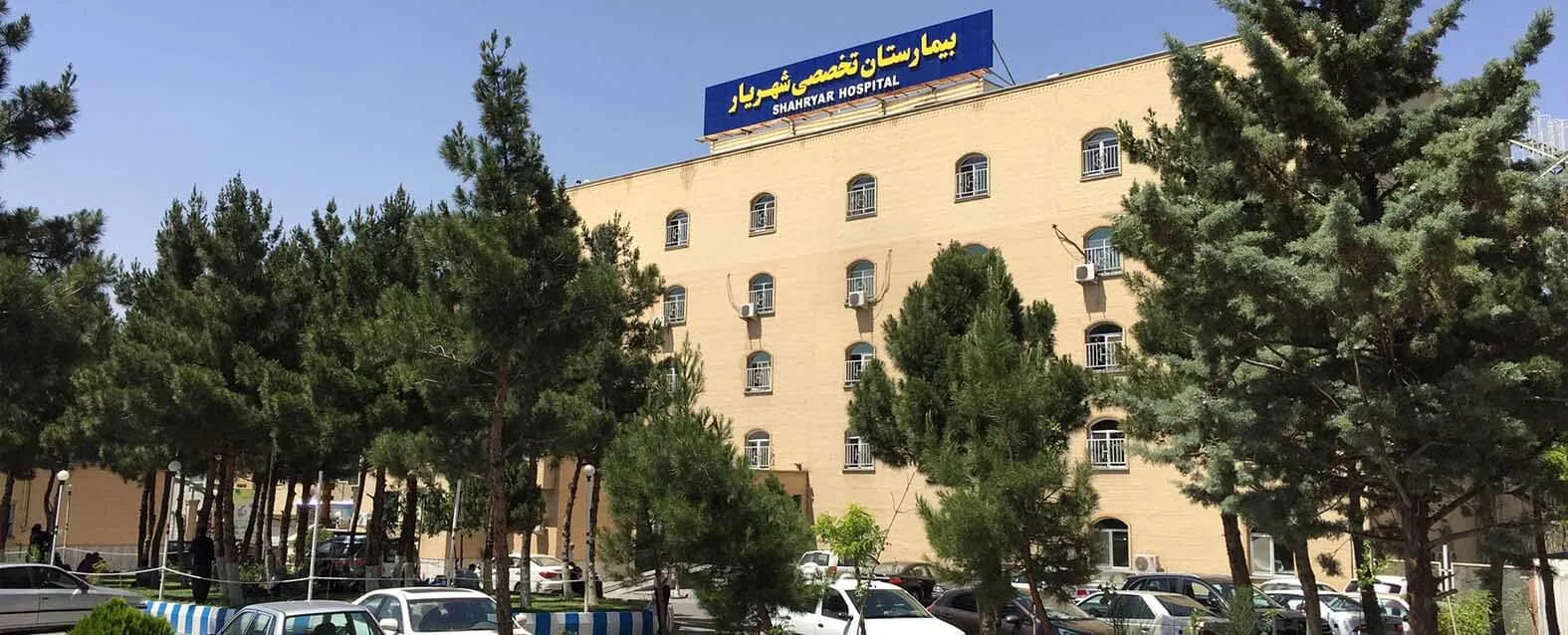
Tabriz, a large city in north-west Iran, sits within reach of Iraq's Kurdistan region, Turkey and Azerbaijan, which can shorten a journey made with limited mobility. Azerbaijani Turkish is widely spoken in the city, and Iran has a broad medical sector that includes orthopedic and rehabilitation services. Quality still depends on each surgeon, hospital and physiotherapy team. Our guide to Tabriz covers the city itself.
Planning the trip with Tabriz Health
- Free consultation request. Send your images, reports and a short history of your symptoms through the free consultation form.
- Opinions and written quotes. Our coordinators can share your records with orthopedic centers in Tabriz and pass on any suggested plan and written quote they send back.
- Optional online visit. You can request a paid online video visit with a doctor to discuss your scans, where one is available.
- Visa and travel. Check our visa guides early and keep your return date flexible. Coordinators can help you look for step-free accommodation close to the hospital.
- Examination and surgery. The surgeon examines you, orders tests or new images if needed and confirms the plan.
- Recovery and going home. You start physiotherapy in Tabriz, attend wound checks and leave once your surgeon says you are fit to fly.
What to prepare before you travel
- recent X-rays of the affected joint, ideally standing (weight-bearing) views for knees and hips;
- your MRI or CT images on a disc or download link, with the radiologist's written report;
- doctors' letters and a list of treatments already tried, such as physiotherapy or injections;
- a list of your medical conditions and every medicine you take, especially blood thinners, diabetes medicines and steroids;
- records of any earlier surgery on the same joint or your spine;
- the name of a physiotherapist and a doctor at home who are willing to follow you after surgery.
Orthopedic surgery risks, warning signs and aftercare
Every orthopedic operation carries risks. They include infection, blood clots in the legs or lungs, bleeding, stiffness, nerve or blood-vessel injury, ongoing pain, a joint replacement that becomes loose, dislocates or wears out, and the need for further surgery.
A long flight after leg or spine surgery raises the risk of clots. Your surgeon decides when you can fly and may prescribe a blood thinner or compression stockings.
Call emergency services or go to the nearest emergency department at once if you have sudden shortness of breath, chest pain or coughing up blood, which can be signs of a clot in the lungs. Before or after spine surgery, the same applies to new loss of bladder or bowel control, numbness around the genitals or buttocks, or new or worsening weakness in one or both legs; do not wait to travel with these symptoms. See a doctor the same day for pain and swelling in one calf, a fever, or a wound that becomes red, hot, swollen or starts to leak. Infection in a joint replacement can appear months later, so report new pain or warmth in the joint promptly.
Before you leave Tabriz, ask for these in writing, in a language your doctor at home can read:
- a discharge summary of the operation and your stay;
- the implant card or sticker with the brand, model, size and batch number of every implant;
- copies of your X-rays taken after surgery;
- a physiotherapy plan with exercises, weight-bearing limits and goals for the coming weeks;
- your medicines, including how long to take any blood thinner, and when stitches or clips should be removed;
- who to contact if a problem appears after you go home.
Choosing an orthopedic surgeon and center
As centers and surgeons join Tabriz Health, they are listed on our clinics page and in our doctors directory. When you compare offers, ask:
- Does the surgeon focus on your area, such as joint replacement, sports injuries or the spine?
- Is the surgeon registered with the Medical Council of the Islamic Republic of Iran (IRIMC), and is the hospital licensed?
- Is the recommendation based on your images and, before surgery, an in-person examination?
- Does the written quote name the implant brand and model, the number of hospital nights and the physiotherapy sessions included?
- How does the hospital prevent infection and clots, and can it manage a serious complication?
- What happens, and who pays, if you need extra nights, another operation or treatment after you go home?
What affects the cost
The price depends on the operation, the implant, hospital nights, tests, physiotherapy and extra time in the city. Two centers can price the same operation quite differently, so compare written quotes that name the same implant and the same physiotherapy. Our overview of the cost of surgery in Iran explains the main price factors; it does not list prices for orthopedic operations.
Frequently asked questions
Is orthopedic surgery in Iran safe?
Every operation has risks. Safety depends on a correct diagnosis, an experienced surgeon, good infection control, clot prevention and your rehabilitation. See also is Iran safe for medical tourism.
How long do I need to stay in Tabriz after knee or hip replacement?
After a few days in hospital, you usually stay on for physiotherapy and wound checks until your surgeon agrees you can travel. Your surgeon gives you a timeline.
Can a surgeon review my MRI before I travel?
You can ask for a first opinion. Send your images and reports, and our coordinators can ask centers for a suggested plan and a written quote. The final decision is made after an examination in Tabriz.
Can I do physiotherapy at home after surgery abroad?
Yes, and you should. Bring home a written plan and book a physiotherapist before you travel, so rehabilitation continues without a gap.
When you are ready, send your X-rays, MRI and reports through a free consultation request, or request an online visit to discuss your scans with a doctor, where one is available, before you travel.
This guide is general information, not medical advice. It does not replace an examination by a qualified doctor who knows your case. Read our medical disclaimer and editorial policy.